The Importance of Exercise and Nutrition for Addiction Recovery
Recovery involves more than avoiding drugs or alcohol. What you eat and how often you are physically active can affect your energy levels, mood, sleep, and overall well-being, all of which influence how smoothly your recovery goes.
At Revive Treatment Centers, many people ask what they can do to support their recovery outside of therapy and treatment sessions. Nutrition and exercise are two practical tools that can complement treatment and encourage its success. Alongside professional care, they can help support your overall well-being throughout recovery, making sobriety easier to maintain.
Read on to learn how diet and exercise can support your recovery as well as tips for incorporating both into your daily routine.
Key Takeaways on Using Fitness and Nutrition for Addiction Recovery
- Nutrition and exercise can support both physical and mental health throughout recovery.
- Eating balanced meals and staying hydrated can help support energy levels, mood, and overall well-being, leading to an easier recovery.
- Regular physical activity can support both emotional well-being and healthy sleep habits.
- Small, consistent changes are often easier to maintain than major lifestyle overhauls.
- Activities such as walking, yoga, strength training, and group fitness can all play a role in a healthy recovery routine.
- Building healthy habits alongside treatment can help create a strong foundation for long-term sobriety.
How Substance Use Disrupts the Body’s Nutritional Balance
Alcohol and drugs can affect appetite and the body’s ability to absorb and use important nutrients. As a result, your body may need extra support as it heals.
Some of the ways substance use can affect nutritional health include:
- Changes in appetite and eating habits
- Difficulty absorbing certain vitamins and minerals
- Digestive issues that make it harder to maintain balanced nutrition
- Reduced interest in nutrient-dense foods
- Changes in gut health that can affect overall wellness
Different substances can affect the body in different ways. For example, opioid use can slow digestion and contribute to gastrointestinal discomfort. This may make it harder to maintain balanced nutrition. Over time, substance use can also influence the brain’s reward system, making nutritious foods seem less appealing and leading to gaps in the nutrients your body needs.
Good Nutrition and Addiction Recovery
Many of these effects can improve with time and consistent healthy habits. Eating nutrient-dense foods, staying hydrated, and rebuilding healthy routines can support recovery and help restore physical well-being. Supporting gut health is another important part of the process, as a healthy digestive system plays a role in everything from nutrient absorption to overall wellness.
The Benefits of Nutrition in Recovery
The foods and drinks you choose during recovery can affect how you feel day to day, from your energy levels and concentration to your mood and overall health. While nutrition is not a substitute for treatment, it can help your body recover from the effects of substance use and support a more stable mood.
Supporting Brain Health
Substance use can affect the brain’s natural chemical balance. Eating enough protein provides the building blocks your body uses to produce neurotransmitters such as dopamine and serotonin, which play a role in mood and overall well-being.
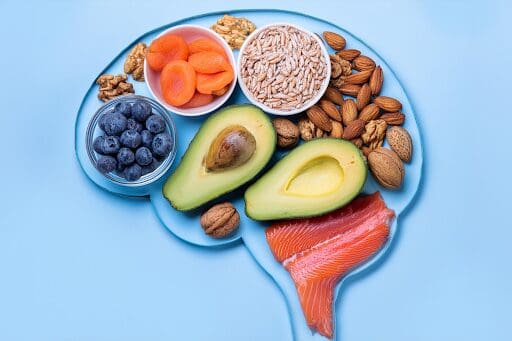
Foods rich in omega-3 fatty acids, including salmon, mackerel, walnuts, and flaxseeds, may also support brain health and help the body recover during the early stages of sobriety.
Manage Cravings
Blood sugar fluctuations can affect energy levels and mood. Choosing complex carbohydrates such as whole grains, beans, vegetables, and fruit can help maintain more consistent blood sugar levels throughout the day. For some people, this can make cravings and mood changes easier to manage.
Supporting Mood and Energy
Eating well and staying hydrated are important parts of recovery, as even mild dehydration can contribute to fatigue, difficulty concentrating, and mood changes. Drinking enough water throughout the day helps support normal brain and body function, making it easier to stay engaged in recovery and daily activities.

What Foods Aid in Addiction Recovery?
Recovery doesn’t depend on any one food or diet. Instead, focusing on balanced meals can help provide the nutrients your body needs as it heals and support your overall health.
Many people in recovery benefit from focusing on nutrient-dense foods such as:
- Lean proteins, including fish, poultry, eggs, beans, and lentils
- Whole grains such as oats, brown rice, and whole wheat bread
- Fruits and vegetables that provide vitamins, minerals, and fiber
- Healthy fats from foods like avocados, nuts, seeds, and olive oil
- Foods rich in omega-3 fatty acids, including salmon, sardines, walnuts, and flaxseeds
Regular meals and snacks can also help maintain steady energy levels throughout the day. Pairing protein, healthy fats, vegetables, and complex carbohydrates at meals may help you feel satisfied longer and support more stable blood sugar levels.
If you’re unsure where to start, simple changes such as drinking more water, adding a serving of vegetables to meals, or choosing whole grains instead of refined carbohydrates can be a practical first step.
The Benefits of Exercise for Addiction Recovery
Regular physical activity can support recovery in several ways, from helping manage stress to improving sleep and boosting energy levels. You do not need to train intensely or spend hours at the gym to experience benefits. Consistent movement, even in small amounts, can help support your overall well-being throughout recovery. Exercise can also mitigate the symptoms experienced during opioid recovery.
Supporting Mental Health
Physical activity encourages the release of brain chemicals linked to mood, motivation, and feelings of well-being. Regular exercise can also help lower stress levels, which may make it easier to cope with everyday challenges without turning to substances.
Many people find that activities such as walking, cycling, swimming, or light strength training help them feel more focused and energized. Even a short daily walk can support emotional well-being and help reduce feelings of anxiety or low mood.
Managing Stress
Stress is a common part of life, and learning healthy ways to manage it is an important part of recovery. Aerobic activities such as brisk walking, jogging, swimming, or dancing can help the body regulate its stress response and provide a healthy outlet for tension.
Improving Sleep Quality
Sleep difficulties are common during early recovery, particularly during and after detox. Regular exercise can help support healthier sleep patterns, making it easier to get the rest your body needs. Better sleep can also make it easier to stay focused and engaged in daily activities.
Types of Exercise Recommended for People in Recovery
There is no single “best” form of exercise for recovery. The right activity is the one that fits your interests, current fitness level, and stage of recovery. Many people find that a combination of different types of movement helps them stay active and maintain healthy routines.

Some options to consider include:
Walking and Other Aerobic Activities
Walking, cycling, swimming, and other forms of aerobic exercise can help support cardiovascular health, reduce stress, and improve overall mood. These activities can also be adjusted to different fitness levels, making them accessible for many people in recovery.
Yoga and Breathwork
Yoga and breathing exercises can help promote relaxation and body awareness. Many people use these practices to manage stress, slow racing thoughts, and create a sense of calm during challenging periods of recovery. Breathwork can also serve as a tool for managing cravings.
Strength Training
Strength training can help rebuild physical strength and improve energy levels. Whether you use free weights, resistance bands, machines, or bodyweight exercises, strength-focused workouts can support overall health and physical recovery.
Group Fitness Activities
Exercise classes, recreational sports, and walking groups combine physical activity with social interaction. For many people, having a regular group fitness activity provides structure and opportunities to connect with others who share similar goals. Spending time with others also promotes the release of “feel-good hormones” such as serotonin and oxytocin, which serve as natural mood boosters.
Outdoor Activities
Spending time outdoors can provide benefits beyond exercise alone. Activities such as hiking, walking in a park, or cycling on local trails allow you to stay active while enjoying fresh air and a change of scenery. Many people find that outdoor exercise helps improve mood and makes it easier to stay consistent with healthy habits.
Building a Sustainable Routine That Combines Diet and Exercise
Healthy habits are more likely to last when they fit into your daily life. Rather than making several major changes at once, many people find it easier to start with a few manageable goals and build from there. Small, consistent steps can create meaningful progress over time.
A structured daily routine can also support recovery. For example, starting the day with a healthy breakfast, a short walk, or another form of physical activity can provide a sense of direction and help establish positive habits that carry through the rest of the day.
Some strategies that may help include:
- Setting realistic goals for meals and physical activity
- Planning regular meal times to avoid skipping meals
- Scheduling movement into your day, even if it’s only for a few minutes
- Keeping healthy snacks and convenient meal options available
- Tracking meals, hydration, or exercise to identify patterns and monitor progress
Working with professionals such as a registered dietitian or recovery counselor can also help you create a plan that supports your individual needs and treatment goals. At Revive, we offer a methadone counseling program alongside our treatment program to support recovery from all angles.
Most importantly, focus on consistency rather than perfection. Missing a workout or having an unplanned meal does not erase your progress. Building lasting habits is an ongoing process, and steady effort over time is often more effective than trying to make dramatic changes all at once.
Recovery Support at Revive Treatment Centers
Nutrition and exercise can play an important role in recovery, but they work best when combined with a comprehensive treatment plan. Building healthy habits can support your physical and mental well-being, while professional care helps address the underlying challenges associated with substance use.
At Revive Treatment Centers, we help individuals develop the skills, strategies, and support systems needed for long-term recovery. Alongside evidence-based treatment, many people explore practical ways to improve their overall health, including nutrition, physical activity, sleep habits, and daily routines.
If you’re considering treatment or would like to learn more about your options, our team is available to answer questions and provide information about our programs. Reach out to us today to start your recovery journey.
Food and movement do a lot of quiet work, but they are one part of a bigger plan. The rest of it sits in relapse prevention strategies and, for the harder moments, how to deal with cravings.
Physical recovery works best with clinical support behind it. Learn about counseling and recovery support at Revive and our outpatient treatment program.