

Methadone can stay in your system for about 2 to 13 days, depending on your body and treatment history. Methadone’s longer-lasting effects are what make it so helpful in easing withdrawal, steadying cravings, and giving you the space to focus on healing.
Learn more with Revive Treatment Centers, leaders in methadone medication-assisted treatment, as we detail just how long methadone stays in your system and why this can help you feel more confident as you move forward in recovery.
Key Takeaways:
|
Understanding Methadone
Methadone is a medication that serves two main purposes:
- Helping people manage pain
- Supporting those recovering from opioid addiction
It works by binding to the brain’s opioid receptors, but instead of giving a “high,” it helps to reduce cravings and withdrawal symptoms, offering a more stable path for recovery. It’s a versatile drug, and understanding how methadone works can help clarify why it’s such a valuable treatment.
Factors Influencing How Long It Takes Methadone to Leave Your System
When you’re using methadone, it’s important to understand how it moves through your body. How long methadone lasts in your system depends on a few different factors, and these will be unique to you. Here’s a breakdown of key elements that impact how quickly methadone clears from your system:
1. Age
As we age, our bodies tend to process substances more slowly, including medications. This slower metabolic rate means that, for older individuals, methadone may take longer to be eliminated from the system. On the flip side, younger people tend to metabolize drugs quicker, which is why their bodies might clear methadone out faster.
2. Weight and Body Composition
Your weight can directly impact how methadone is processed. For those with more body fat, methadone has a little “storage spot” in the fat cells, which could mean it lingers longer in your system. But, if you’re leaner or have a faster metabolism, it could move through your system faster. Muscle mass also plays a role in how well your body breaks things down.
3. Metabolism
Some people process food, drinks, and medications quickly, while others take a more gradual approach. Your metabolism plays a key role in how efficiently your body processes substances like methadone. If you have a fast metabolism, methadone may leave your system relatively quickly. However, if your metabolism is slower, it may take longer. Factors such as genetics, lifestyle, and diet influence this, so while you may not have full control, it’s an important consideration in how methadone is cleared from your system.
4. Liver Function
Methadone is primarily processed by your liver. How efficiently it breaks down the drug directly affects how long methadone takes to leave your system. The better the liver functions, the faster the drug is processed and eliminated. Conversely, if liver function is impaired, methadone may remain in the body longer, potentially affecting drug test results and the overall treatment plan. That’s why doctors always check your liver health before prescribing methadone—so they can tailor the dosage to fit your body’s needs.
5. Dosage
The more methadone you take, the longer it’s going to stay in your system. A higher methadone dosage means more of the drug is processed, and it takes longer for your body to clear it out. If you’re on a maintenance dose, methadone might clear your system within a few days. But for higher doses, you’re looking at a longer detection time.
6. Personal Health
Your health conditions can make a massive difference in how methadone behaves in your system. If you have liver disease, for example, it’s going to take longer for methadone to leave. If you’ve got metabolic disorders, like hypothyroidism, it might also slow things down. This is why doctors take a holistic approach when prescribing methadone; it’s not just about the drug, it’s about how your whole body is working. This is why individualized health assessments are crucial in treatment plans. The ‘one-size-fits-all’ approach doesn’t apply here; your unique health status plays a key role in determining the right treatment for you.
Detection Times for Methadone
When it comes to detecting methadone in your system, the test you’re taking plays a big role in how long it’ll show up. Different bodily fluids retain the drug for different amounts of time, and it also varies depending on things like how much methadone you’ve taken, how long you’ve been using it, and how your body processes it. Let’s break it down by test type:
How Long Does Methadone Stay in Urine?
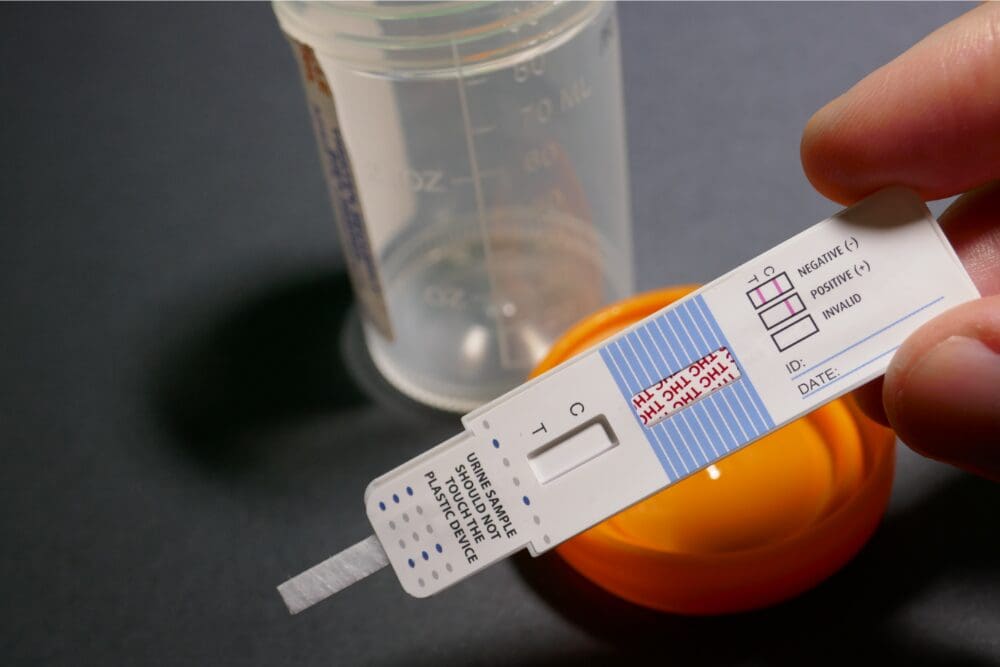
On average, methadone stays detectable in urine for about 3 to 5 days after use. Urine is the most common method for detecting methadone, and it can typically be detected for a pretty long time. However, this can vary based on individual factors like your metabolism, how much methadone you’ve been using, and even how hydrated you are. For heavy or long-term users, methadone might show up in urine for a longer period, sometimes up to a week or more. Also, the sensitivity of the test itself can affect detection time. More sensitive tests may pick it up even if it’s been a while since you used methadone.
How Long Does Methadone Stay in Your Blood?
Methadone is usually detectable in blood for around 1 to 2 days after use. Blood tests are a bit more precise but also have a shorter detection window. This makes blood tests a good option for immediate or short-term detection, but they’re not as useful for picking up long-term use like urine tests. If you’re undergoing a drug screen, this shorter detection time means that if you took methadone a few days ago, a blood test might not pick it up, while a urine test still could.
How Long Does Methadone Stay in Your Saliva?
Methadone can typically be detected in saliva for around 1 to 4 days after use. Saliva tests fall somewhere in between blood and urine tests in terms of detection time. Saliva testing is less invasive than blood tests and quicker to administer, which is why it’s sometimes used for roadside drug screenings or in situations where a fast result is needed. However, it’s not as commonly used for long-term monitoring of drug use, especially since it has a shorter detection window compared to urine.
How Long Does Methadone Stay in Your Hair?
The main benefit of hair testing is that it can detect methadone use for a longer period—usually up to 90 days—after the last use. While hair tests aren’t used as often for methadone detection, they can show if someone’s been using the drug over a long period of time. They work by detecting traces of the drug that have entered the hair follicles over time, so they’re more useful for detecting chronic or long-term use. Hair tests are less common for routine screenings, but might be used in cases where past use is more important than recent use.
So, depending on the type of test you’re taking, methadone can stay detectable for anywhere from a few days to several months. It’s good to be aware of how each test works, especially if you’re anticipating a drug screen or monitoring your own use.
What is The Half-Life of Methadone?
The half-life of methadone is typically between 8 and 59 hours, with most people averaging around 24 to 36 hours. Half-life refers to the amount of time it takes for half of the drug to leave the body. Because methadone has such a long and variable half-life compared to other opioids, it can build up in the system if taken regularly. This is why doctors carefully monitor dosing, as the drug’s effects may last much longer than expected, and taking more too soon can increase the risk of overdose.
Can You Get a False Positive for Methadone?
Yes – it is possible to get a false positive for methadone on a drug test, though it doesn’t happen often. Certain medications, especially those in the same chemical family or with similar metabolites, can sometimes be mistaken for methadone by less specific screening tests. For example, some antihistamines (like diphenhydramine), certain antidepressants, or even medications for chronic pain have been reported to trigger false positives.
Implications of Methadone Detection
Methadone detection can influence many parts of life, recovery programs, employment, and even legal matters. Since methadone is a prescribed medication that supports recovery from opioid addiction, its presence on a drug test isn’t misuse, though it can still raise questions if not explained. Whether it’s during a treatment program, a workplace screening, or a legal requirement, being open about prescribed methadone use helps prevent confusion, reduce stigma, and keep the focus on what truly matters: building a lasting recovery.
Know How Long Methadone Stays in Your System
Understanding how long methadone stays in your system is crucial for anyone navigating methadone treatment. If you have questions or need personalized guidance on managing methadone use, it’s important to reach out for professional support. Contact Revive Treatment Centers today to speak with experts who can provide the information and care you need for a safe and effective treatment journey.
Frequently Asked Questions
What should I do if I’m on methadone and need a drug test?
If you’re on methadone and need a drug test, the best thing to do is be upfront about it. Let the tester know you’re on methadone as part of a prescribed treatment plan so they understand any positive opioid results are due to your legitimate medication use, not misuse or illegal drugs. It’s also helpful to have documentation from your doctor or treatment program to back it up, just in case they need proof. Being honest about your medication can prevent confusion and help you avoid unnecessary stress or complications down the road when methadone shows up on your drug test.
Does methadone show up on a standard drug test?
Methadone does not always show up on a standard 5-panel drug test. To detect it, labs usually run an expanded test that specifically screens for methadone or its metabolites.
Why does methadone stay in the body longer than other opioids?
Methadone stays in the body longer than other opioids because the methadone half-life is much longer than that of drugs like heroin or oxycodone. This means the body processes it more slowly, which helps manage cravings but also makes it detectable for days, or even weeks, after use.
Can anything make methadone leave your system faster?
No quick method can clear methadone from your system faster. Hydration or exercise won’t significantly speed things up. Because the liver metabolizes it gradually, the safest approach is to let your body process it naturally under medical supervision.
Questions like this one come up constantly at intake — we have collected the most common ones on our FAQ page.
Half-life also explains why opioid withdrawal follows the shape it does, hour by hour. The stage-by-stage version is in our opioid withdrawal timeline.
Dosing schedules and take-home eligibility are set individually. See how our methadone maintenance program works, or what counseling alongside medication involves.