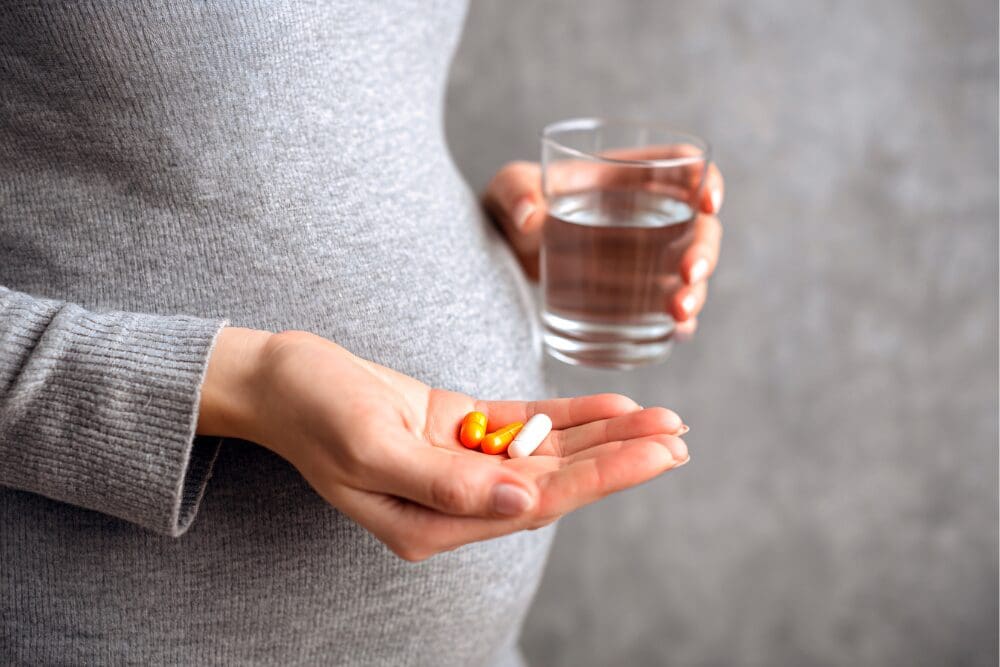
Pregnancy can be a time of hope and fear for women struggling with opioid addiction. The stakes are high: untreated addiction can put both the mother and the developing baby at serious risk. However, methadone, when prescribed under careful medical supervision, can offer a path to safety for both.
Methadone is safe to take in pregnancy and helps manage withdrawal symptoms and reduce opioid cravings, which is critical at this time. Abruptly stopping opioids can be dangerous for the fetus, causing stress and complications that can affect growth and development. By stabilizing the mother, methadone allows her body to maintain the nutrition, sleep, and routine needed to support a healthy pregnancy.
Explore further with Revive Treatment Centers, experts in methadone medication-assisted treatment, as we go through the risks and benefits of methadone in pregnancy.
Key Takeaway on Methadone and Pregnancy
|
Potential Risks Associated with Methadone Use in Pregnancy
While methadone can be a lifeline for pregnant women struggling with opioid addiction, it’s not without risks. Babies exposed to methadone in the womb can develop neonatal abstinence syndrome (NAS), meaning they experience withdrawal symptoms after birth. This can include irritability, tremors, feeding difficulties, and trouble sleeping.
Most babies recover with proper medical care and have no long-term birth defects from methadone, but doctors often keep a close eye on their growth and development. Some research suggests that children who were exposed to methadone before birth may be at a slightly higher risk for developmental delays or behavioral challenges later on, though it can be hard to separate the effects of methadone itself from other factors, such as tobacco use, stress, or limited prenatal care. In many cases, with stable caregiving and a supportive environment, these children go on to develop normally.
Studies have also explored potential impacts and effects of methadone on a fetus’s development, such as lower birth weight or preterm delivery, although these risks are often far outweighed by the dangers of untreated opioid addiction.
The key point is that methadone use during pregnancy requires careful medical supervision to monitor both mother and baby, balancing the benefits of treatment with potential complications.
Benefits of Methadone Maintenance During Pregnancy
For pregnant women struggling with opioid addiction, methadone can be a real turning point. It helps take the edge off cravings and withdrawal, making it far less likely that they’ll turn to illegal opioids, substances that carry unpredictable and serious risks for both mom and baby.
Methadone treatment for pregnant women can bring a sense of stability that can feel almost impossible when addiction has been controlling day-to-day life. With cravings under control, women can focus on things that truly matter during pregnancy: keeping up with prenatal appointments, eating properly, getting rest, and establishing routines that support their overall health.
Used responsibly, methadone can do more than just manage addiction; it can create a safer space for the baby and a chance for the mother to regain control over her life. It’s a step toward building a foundation for both mom and child to start healthier, steadier lives together.
Guidelines for Pregnant Women on Methadone Treatment
Pregnancy adds layers of complexity to recovery, and methadone treatment is no exception. The body changes in ways that affect how methadone works, so dosages often need careful adjustment to keep both mother and baby safe. It’s not just about numbers on a prescription but rather finding the right balance so cravings and withdrawal don’t take over.
Regular monitoring is essential. Frequent check-ins, prenatal appointments, and screenings enable healthcare providers to closely monitor both the mother and the baby, ensuring any potential issues are identified early. For a woman already juggling the challenges of addiction, this attention can feel like a safety net rather than a burden.
The best care for pregnant women on methadone comes from a team that looks at the whole picture. Doctors, addiction specialists, and counselors work together to support not just the pregnancy, but the woman behind it. With help for both physical and emotional needs, and guidance for what comes next, she has a real chance to focus on recovery and get ready for motherhood with support around her.
Managing Side Effects of Methadone in Pregnant Patients
While methadone helps women dealing with opioid dependency, like any medication, it can come with side effects.
Common issues include:
- Nausea
- Constipation
- Fatigue
- Changes in sleep patterns
These symptoms can feel discouraging, especially when a woman is already navigating the physical and emotional challenges of pregnancy.
The good news is that many side effects can be managed with simple adjustments and ongoing support. Eating small, frequent meals can help alleviate nausea. Staying hydrated and active can ease constipation, and maintaining a consistent sleep routine can improve rest.
Most importantly, staying in regular contact with healthcare providers is key. Reporting side effects early lets doctors adjust dosages, suggest supportive treatments, or connect patients with extra resources. Check-ups aren’t only about tracking the baby’s growth; they’re also a chance to talk about how the mother is feeling, both physically and emotionally.
Revive Treatment Centers understands that managing side effects is about creating a safer and more comfortable experience during pregnancy, and we prioritize helping women stay on track with their treatment while protecting both their health and their baby’s well-being.
Support Systems and Resources for Pregnant Women on Methadone

Pregnancy is already a time of change, and facing it while managing opioid addiction can feel overwhelming. No one should have to navigate this journey alone, and the good news is that there are support systems in place specifically designed for this purpose.
Community programs, counseling services, and educational classes can provide guidance, comfort, and practical tools to help women stay on track with their methadone treatment.
Support groups, both in-person and online, offer a space to share experiences, fears, and victories with people who truly understand. Knowing that others have walked this path and found stability can bring hope on days that feel uncertain.
Counseling can help address both addiction and the emotional challenges of pregnancy, from anxiety and stress to feelings of guilt or fear. Educational programs provide practical guidance on prenatal care, nutrition, and preparing for life after birth, empowering women to make informed decisions for themselves and their babies.
These resources remind women that recovery and pregnancy can coexist, and that it’s possible to create a healthier, safer environment for both mother and child. With the right support, each step forward, no matter how small, becomes part of a journey toward hope, stability, and healing.
Methadone Addiction Treatment and Pregnancy
While you can take methadone while pregnant, treating opioid addiction during pregnancy is a delicate balance, focusing on both the mother’s recovery and the baby’s well-being. Methadone programs and other therapies can provide stability, manage opioid cravings, and create a safer environment, but the journey is never something a woman should navigate alone.
Support, guidance, and access to the right resources are essential. With the right care team, including medical professionals, counselors, and community programs, pregnant women can manage their addiction while protecting their child’s health.
If you or someone you love is facing opioid addiction during pregnancy, you can contact Revive Treatment Centers. Our team specializes in compassionate, comprehensive care, helping mothers find stability, support, and hope for the future, for both themselves and their babies.
If you are pregnant and considering treatment, speak to us directly — our FAQ and counseling page cover what support looks like.