
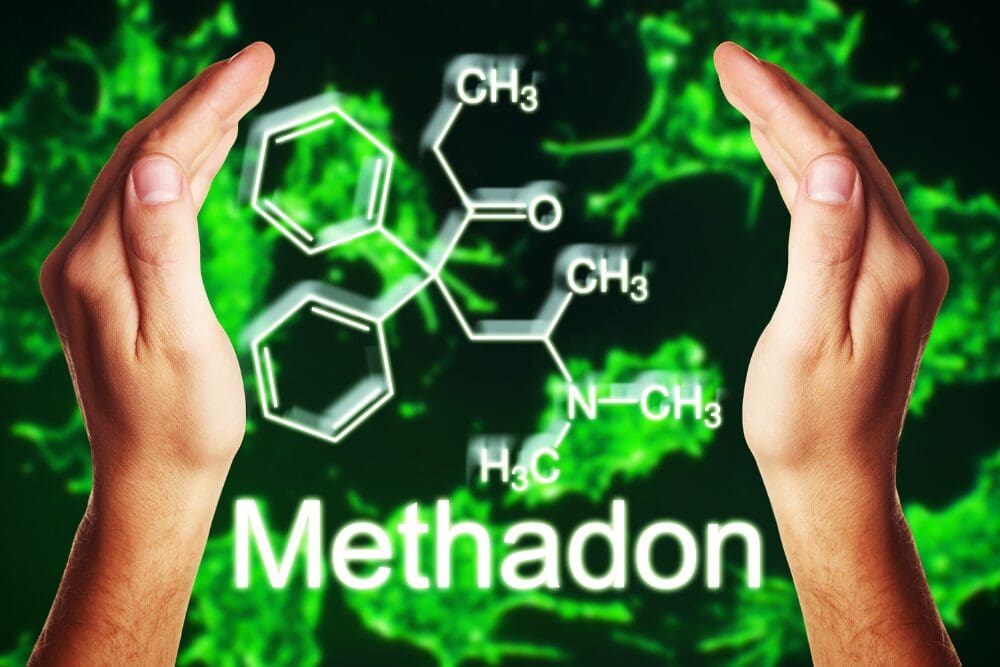
Methadone has been used for more than fifty years to help people recover from opioid use disorder. It’s one of the most closely studied medications in addiction care, and for many people, it offers a path to stability after long periods of struggle.
A question that often comes up early in treatment is whether methadone itself is addictive. Your body does adjust to it over time, and stopping suddenly can feel uncomfortable. That adjustment is expected with any long‑term opioid medication and isn’t the same as addiction. This article clarifies the difference, how methadone works, and what people usually experience during treatment. At Revive Treatment Centers, methadone addiction treatment is one of the programs we offer to support lasting recovery.
Key Takeaways re Methadone Addiction
- Methadone is an FDA‑approved medication given through licensed clinics for opioid use disorder. It’s taken once a day under medical supervision.
- Your body will grow used to methadone, which is called physical dependence. This is not the same as addiction.
- Treatment works best when methadone medication is taken as prescribed and paired with counseling and regular check‑ins.
- Long‑term methadone treatment is safe and effective, and staying in care is one of the strongest protections against relapse.
Is Methadone Addictive?
Methadone is not addictive when used as prescribed and under supervision, although it can cause dependency. However, misuse can lead to addiction. Methadone attaches to the same receptors in the brain that other opioids do. With steady use, the body adjusts. If the dose is dropped too quickly or stopped all at once, withdrawal symptoms can appear. This is due to physical dependence, which also happens with many other medications, including some used for blood pressure or depression.
Addiction is different. It involves a drive to seek and use a substance despite harm. Over time, the body needs more of an addictive substance to feel the same effects. At a stable, medically supervised dose, methadone does not create the rush or cycle of reward that fuels addiction in people who already have opioid tolerance. Your care team can help you understand the distinction between addiction and dependence as you move through treatment.
How Methadone Works
Methadone is a long‑acting opioid. It enters the bloodstream slowly and stays active for a full day or longer. One morning dose is usually enough to prevent withdrawal and cravings until the next day.
Once the dose is stable, methadone works in addiction treatment by also reducing the effects of other opioids if you use them. This “blocking” effect makes relapse less rewarding.
Many people also notice improvements in sleep, mood, and daily functioning once they’re on a consistent dose.
Why Is Methadone Safer Than Other Opioids?
Methadone differs from other opioids, making it safer to use.
Speed of entry: Misused opioids reach the brain within minutes and create a fast, intense high. Methadone enters slowly, which lowers its misuse potential in people with opioid tolerance.
How long it lasts: Short‑acting opioids wear off in 4–8 hours, creating a cycle of highs, lows, and cravings. Methadone stays in your system for 2-13 days and has a long half-life of 24–36 hours, breaking that cycle and making it practical as a once‑daily treatment.
Effect at a therapeutic dose: A proper clinical dose does not produce significant euphoria in someone with opioid tolerance.
Stopping the medication: Withdrawal from methadone usually starts 24–72 hours after the last dose. It tends to be less intense but longer‑lasting than withdrawal from short‑acting opioids. A slow, supervised taper helps the body adjust comfortably.
Methadone offers more stability and predictability than the substances it replaces, and treatment outcomes reflect that.
Benefits of Methadone Addiction Treatment
Methadone is used effectively in addiction treatment, without causing addiction itself. The many benefits include:
- Reduced opioid use: Most people in methadone programs stop or significantly reduce heroin or prescription opioid use.
- Lower overdose risk: Stable methadone doses reduce exposure to unpredictable street drugs.
- Lower HIV and hepatitis C rates: Less injection use means fewer infections.
- Improved stability: Regular routines, freedom from withdrawal, and better mood support work, housing, family relationships, and social activities.
- Reduced criminal activity: When people aren’t chasing short‑acting opioids, drug‑related crime drops.
- Safer pregnancies: Methadone is recommended during pregnancy and is linked to better outcomes for both parent and baby.
For many, the biggest early benefit is simply feeling steady again and resuming regular day-to-day activities.
How to Use Methadone Safely Without Side Effects
To ensure that methadone supports recovery rather than causes addiction, it is important to follow guidelines and use it as prescribed.
- Always take methadone at exactly the dosage and schedule prescribed by your medical team.
- Don’t mix methadone with alcohol, sedatives, or other depressants. It can cause dangerous drowsiness or even overdose if you do so.
- Visit your methadone clinic regularly. Clinics closely monitor doses, especially early on, to prevent breathing or heart rhythm problems. They will often obtain an ECG before initiation and occasionally during treatment to ensure it is safe and effective.
Staying in regular contact with your provider is the best way to stay safe. At Revive Treatment Centers, our clinical team monitors each person closely throughout every stage of treatment.
Signs of Methadone Addiction
In cases of misuse, your body may start to depend on the methadone, or you may even become addicted. It’s important to talk to your provider if you notice your dose is wearing off too early or if you’re unsure whether your plan is working.
Cravings that aren’t fully controlled are another potential sign of methadone addiction, as is unusual drowsiness after dosing. If you notice yourself using other substances to fill gaps, it is a warning sign, and you should speak to your care team as soon as possible.
Additionally, missing appointments at your methadone clinic and having trouble attending the clinic regularly are also signs of methadone addiction.
In such situations and when recovering from methadone addiction, doses can be adjusted, schedules can shift, and extra support can be added.
Reducing or Stopping Methadone Safely
Stopping methadone suddenly usually leads to withdrawal within a day or two, and symptoms can last several weeks. A slow, planned taper, usually over weeks or months, helps the body adjust more comfortably.
Many people taper only after they’ve reached a long period of stability. There’s no fixed timeline, and staying on methadone long‑term is a valid and medically supported choice.
Treat Addiction With Methadone
Methadone is a well‑established treatment for opioid use disorder, and does not cause addiction when taken under medical guidance. Research consistently shows that people in supervised methadone programs have better outcomes across the board. Using methadone medication to help recover from addiction results in less opioid use, fewer overdoses, more stability, and a better quality of life. At Revive Treatment Centers, we’re here to support you through every step of that process towards long-term stability. Contact us to see how you can start recovering from addiction without experiencing painful withdrawal.
This question comes up about every medication used to treat opioid use disorder. We answer it, and the other ones people are afraid to ask, on our FAQ page.
Dependence and relapse risk are not the same thing, and the practical work of staying well is covered in our guide to relapse prevention. If the labels themselves are the confusing part, MAT vs MOUD untangles them, and how long you can stay on methadone answers the question most people ask straight after this one.
If this is the question keeping you from starting, the next one is usually what it is like walking in. That part is covered in your first day at a methadone clinic.
Dependence and addiction are not the same thing, and treatment is built around that difference. See how supervised methadone treatment works, or read about Suboxone as an alternative.
If you are researching this for someone else, start with helping someone you love start treatment.